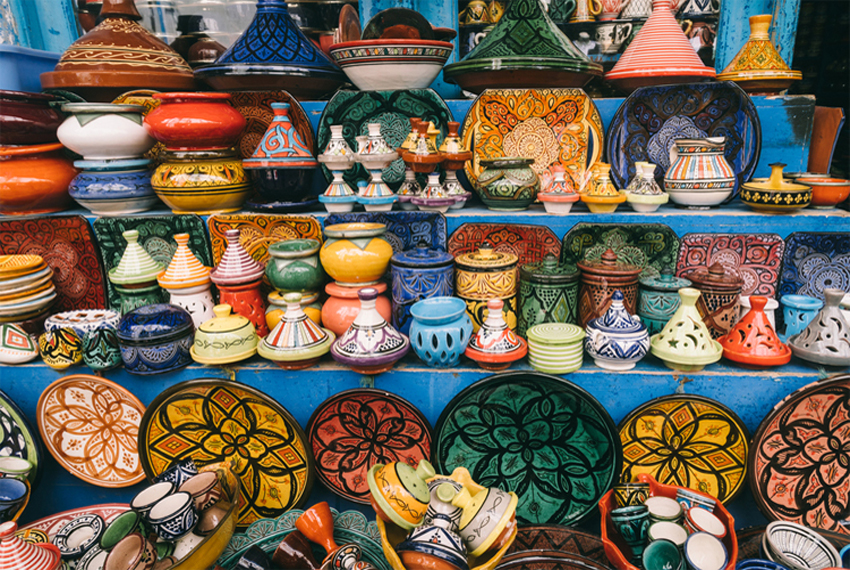
Handicrafts are artistic and traditional products created entirely or primarily by hand using simple tools, reflecting the cultural heritage, craftsmanship, and creativity of a region or community. These items include a diverse range of products such as woodwork, textiles, pottery, metal crafts, jewelry, leather goods, bamboo and cane items, and hand-painted artifacts. Each piece is unique, often representing local traditions, folklore, and skills passed down through generations. India is one of the world’s largest producers and exporters of handicrafts, with regions like Rajasthan, Gujarat, Odisha, Uttar Pradesh, and Kashmir known for their specialized crafts—such as block printing, marble inlay work, terracotta, embroidery, and papier-mâché. Handicrafts are not only a means of artistic expression but also provide employment to millions of rural artisans, especially women, supporting sustainable livelihoods.
These products are in demand both domestically and internationally due to their authenticity, aesthetic appeal, and eco-friendly nature. With the rise of conscious consumerism, there is growing interest in handmade and ethically sourced products, which has boosted the global market for handicrafts. Governments and organizations are also promoting artisan clusters through exhibitions, e-commerce platforms, and export support. In a rapidly industrializing world, handicrafts preserve cultural identity and traditional skills, making them not just commodities but also carriers of history, heritage, and human touch.