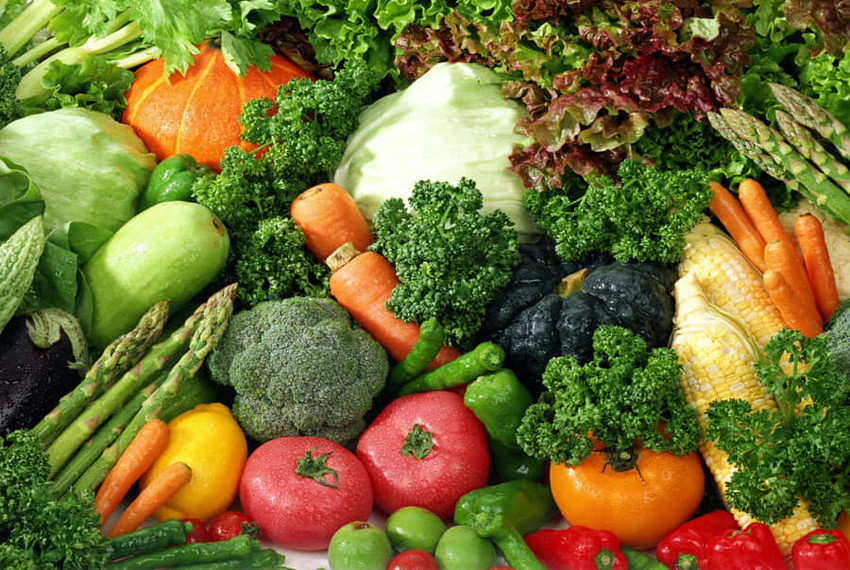
Vegetables are essential components of a healthy diet, known for their rich nutritional content, including vitamins, minerals, fiber, and antioxidants. They are derived from various parts of plants such as roots (like carrots and beets), stems (like asparagus), leaves (like spinach and lettuce), flowers (like broccoli and cauliflower), fruits (like tomatoes and cucumbers), and seeds (like peas and beans). Vegetables play a key role in promoting overall health by supporting digestion, boosting immunity, maintaining heart health, and reducing the risk of chronic diseases. They can be consumed raw, cooked, steamed, or processed into various food products. Globally, countries like China, India, the United States, and Turkey are leading producers of vegetables. India is particularly known for its diverse range of vegetables, including potatoes, onions, tomatoes, okra, eggplant, green chilies, and gourds, which are cultivated across different agro-climatic zones.
The vegetable sector provides livelihood to millions of farmers and is a significant part of the agricultural economy. With increasing demand for fresh and organic produce, there is a growing focus on sustainable farming practices, integrated pest management, and modern supply chain logistics to reduce waste and maintain quality. In both domestic and international markets, properly graded, hygienically packed, and safely transported vegetables are highly valued. Vegetables are not only vital for daily nutrition but also contribute to food security and economic growth, making them indispensable in diets and markets around the world.