Tea is one of the most popular and widely consumed beverages in the world, valued for its refreshing taste, cultural significance, and health benefits. Derived from the leaves of the Camellia sinensis plant, tea is cultivated primarily in countries like India, China, Sri Lanka, Kenya, and Japan, where the climate and elevation are ideal for its growth. There are several types of tea, including black tea, green tea, white tea, oolong tea, and herbal tea, each differing in processing methods, flavor profiles, and levels of oxidation. Black tea, which is fully oxidized, is known for its strong flavor and dark color and is widely produced in India’s Assam, Darjeeling, and Nilgiri regions. Green tea, with minimal oxidation, retains a lighter color and more delicate taste, often praised for its antioxidant properties. Tea cultivation involves meticulous processes such as plucking, withering, rolling, oxidation, and drying, with the quality influenced by factors like soil, climate, altitude, and harvesting methods. Globally, tea holds deep cultural significance, from British afternoon tea traditions to Japanese tea ceremonies and Indian chai culture. In the international market, tea is a major export commodity, with countries like India and Sri Lanka supplying high-quality varieties to Europe, the Middle East, and North America. Tea is also valued for its potential health benefits, including improved metabolism, heart health, and mental alertness, thanks to compounds like polyphenols and caffeine. The growing demand for organic and specialty teas has led to innovations in cultivation and packaging, making tea not just a traditional beverage but also a modern lifestyle choice across the world.
Tea / Coffee

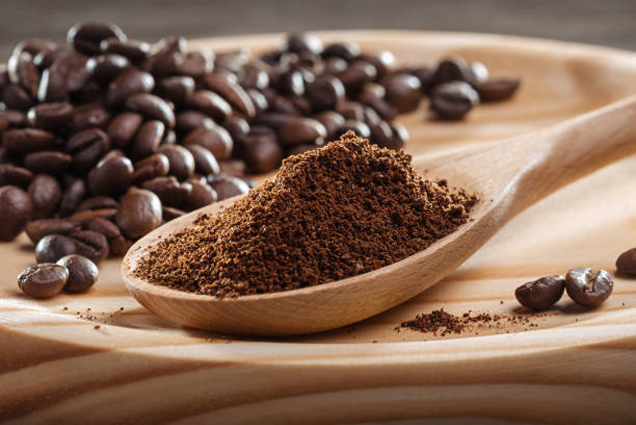
Coffee is one of the most traded commodities and widely consumed beverages globally, known for its rich aroma, energizing effect, and cultural importance. It is produced from the roasted seeds of the Coffea plant, primarily from two main species: Coffea arabica (Arabica) and Coffea canephora (Robusta). Arabica beans are prized for their smooth, aromatic flavor and are typically grown at higher altitudes, while Robusta beans have a stronger, more bitter taste and higher caffeine content, making them ideal for instant coffee and espresso blends. Major coffee-producing countries include Brazil, Vietnam, Colombia, Ethiopia, and Honduras, where tropical climates, high altitudes, and rich soil provide optimal growing conditions. The coffee cultivation process involves several stages—planting, harvesting (often by hand), processing (dry or wet method), drying, milling, and finally roasting to bring out the desired flavor profile. Coffee plays a vital role in the economies of many developing countries, providing employment to millions of farmers and workers. Beyond its economic value, coffee has deep social and cultural roots; it is central to daily routines, social gatherings, and café culture worldwide. With increasing awareness of sustainability and fair trade, the coffee industry is evolving to focus more on ethical sourcing, organic farming, and environmentally friendly practices. Additionally, coffee contains antioxidants and is known to enhance alertness, concentration, and mood due to its caffeine content. From traditional brews to specialty coffees like espresso, cappuccino, and cold brew, coffee continues to adapt to changing consumer tastes, making it not just a beverage but a global cultural phenomenon.