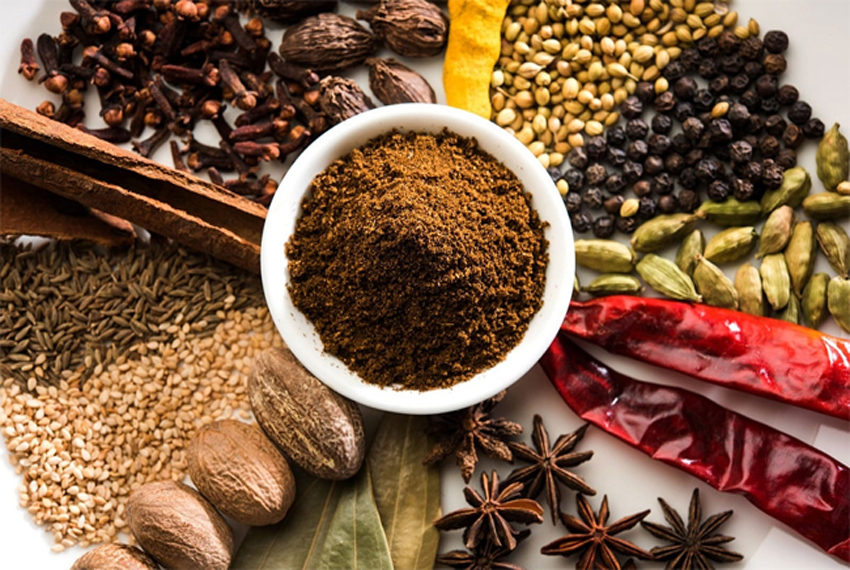
Spices are aromatic plant substances used to flavor, color, and preserve food, and they have been an integral part of human culture, cuisine, and trade for thousands of years. Derived from various parts of plants—such as seeds, bark, roots, fruits, and flowers—spices are prized not only for their culinary uses but also for their medicinal, cosmetic, and preservative properties. Some of the most commonly used spices include turmeric, black pepper, cardamom, cloves, cumin, coriander, cinnamon, and chili, each with its unique aroma, flavor, and health benefits. India is one of the largest producers, exporters, and consumers of spices, with states like Kerala, Tamil Nadu, Andhra Pradesh, and Rajasthan leading in production. The Indian spice industry is renowned for its rich heritage and variety, supplying high-quality spices to markets across Asia, Europe, the Middle East, and North America.
The processing of spices involves drying, grinding, cleaning, and packaging, often requiring hygienic and technologically advanced methods to retain their natural oils and potency. Apart from enhancing taste, many spices have therapeutic properties—turmeric is known for its anti-inflammatory effects, while cardamom and ginger aid digestion. The global spice trade is a multi-billion-dollar industry driven by growing demand for ethnic cuisines, health-conscious eating, and natural food preservatives. Spices have also played a historic role in shaping global trade routes and colonization, symbolizing wealth and power. Today, with the rise in organic farming and sustainable sourcing, spices continue to be a vital component of the food industry and an essential element of cultural and culinary identity across the world.