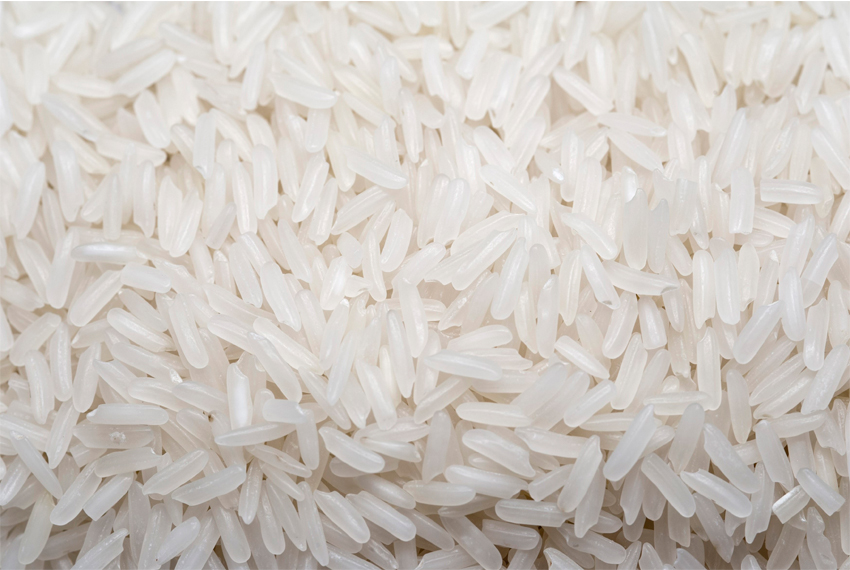
Rice is a fundamental food crop and a dietary staple for more than half of the world’s population, especially in Asia, where it holds deep cultural and economic significance. Belonging to the genus Oryza, the two most common cultivated species are Oryza sativa (grown worldwide) and Oryza glaberrima (native to West Africa). Rice cultivation thrives in warm, humid climates and is predominantly grown in lowland flooded fields known as paddies, though it can also be cultivated in upland conditions. There are several varieties of rice, including long-grain, medium-grain, and short-grain types, each suited to specific culinary uses and consumer preferences. Among them, Basmati, Jasmine, Miniket, and Parboiled are well-known for their aroma, texture, and cooking characteristics. Rice is typically harvested, de-husked, and then processed into forms such as white rice, brown rice, parboiled rice, and broken rice, each varying in nutritional value and shelf life. Brown rice retains its bran and germ layers, making it higher in fiber, vitamins, and minerals, whereas white rice is milled and polished for a smoother texture but with reduced nutrients.
The global rice trade is a multi-billion-dollar industry, with India being the largest exporter, followed by Thailand and Vietnam. Quality control is crucial in rice exports, with factors like grain length, purity, moisture content, and percentage of broken grains determining market value. In addition to being a food source, rice and its by-products—such as rice bran, husk, and straw—are also used in the production of oil, animal feed, fuel, and biodegradable materials. As the demand for rice continues to rise due to population growth, efforts are being made worldwide to improve yield through hybrid varieties, climate-resilient farming practices, and sustainable water management to ensure long-term food security.