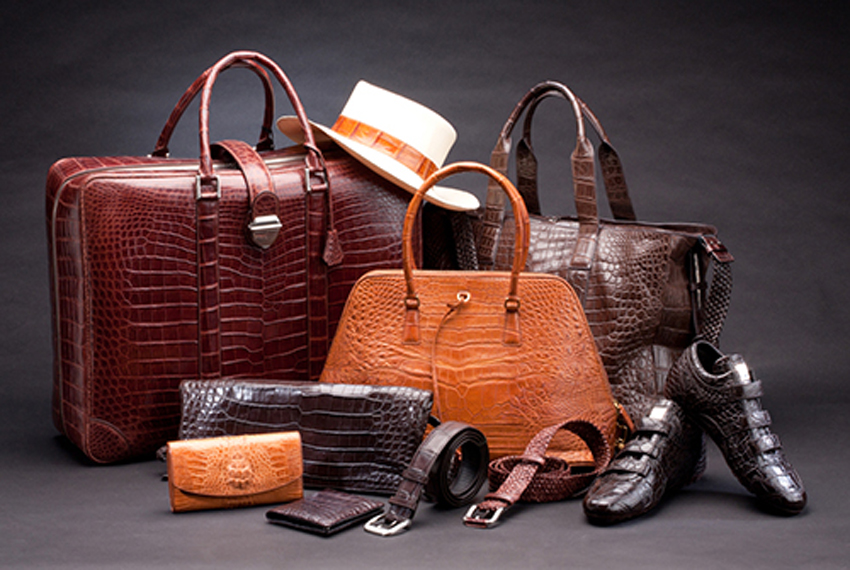
Leather products are widely valued for their durability, elegance, and versatility, making them a staple in fashion, furniture, automotive, and industrial applications. Leather is primarily made from the hides and skins of animals—most commonly cows, buffaloes, goats, and sheep—through a process called tanning, which preserves the hide and enhances its strength and flexibility. There are different types of leather such as full-grain, top-grain, genuine leather, and bonded leather, each varying in texture, quality, and finish. Leather products include a wide range of items such as shoes, bags, belts, wallets, jackets, upholstery, and industrial gloves, among others. Countries like India, Italy, China, and Brazil are major producers and exporters of leather goods, with India being renowned for its traditional craftsmanship combined with modern manufacturing techniques.
The Indian leather industry is one of the largest in the world, offering employment to millions and contributing significantly to export earnings. High-quality leather goods are not only functional but also represent luxury and style, especially in fashion markets. However, environmental concerns related to conventional tanning processes, which often involve chemicals like chromium, have led to a shift towards eco-friendly and vegetable-tanned leather. Additionally, the growing popularity of vegan leather—made from synthetic or plant-based materials—is reshaping consumer preferences. Despite these shifts, genuine leather products continue to be in demand for their timeless appeal, resilience, and unique aging characteristics. From handcrafted artisan items to mass-produced fashion accessories, leather products remain a symbol of sophistication and utility across global markets.